Today I will show you 7 different strategies to build a valuable mineral collection that stands out and holds aesthetic, scientific, and investment value.
One might say it’s not rocket science, right? You just buy some expensive minerals and that’s it. And yes, it can be that simple if you want. But then your collection becomes very generic, which doesn’t add any extra value.
If you want to take your mineral collecting a bit further, you should have a strategy and specialize. A generic collection is nothing special, many collectors have something similar. But when you specialize, for example in tourmalines, you could build one of the finest tourmaline collections in the world - and that’s where real value comes in! So let’s take a look at some specific strategies you can use to build a collection that truly stands out!
Strategy 1: Collect a Particular Size
One of the most common specialization strategies is to collect minerals of a particular size. Fine minerals can be classified into various size ranges. For example, if we take thumbnail size - generally defined as a mineral not exceeding 3 centimeters in any dimension - you can focus your collection on this size and build a stunning thumbnail mineral collection that fits on just one shelf in your living room!
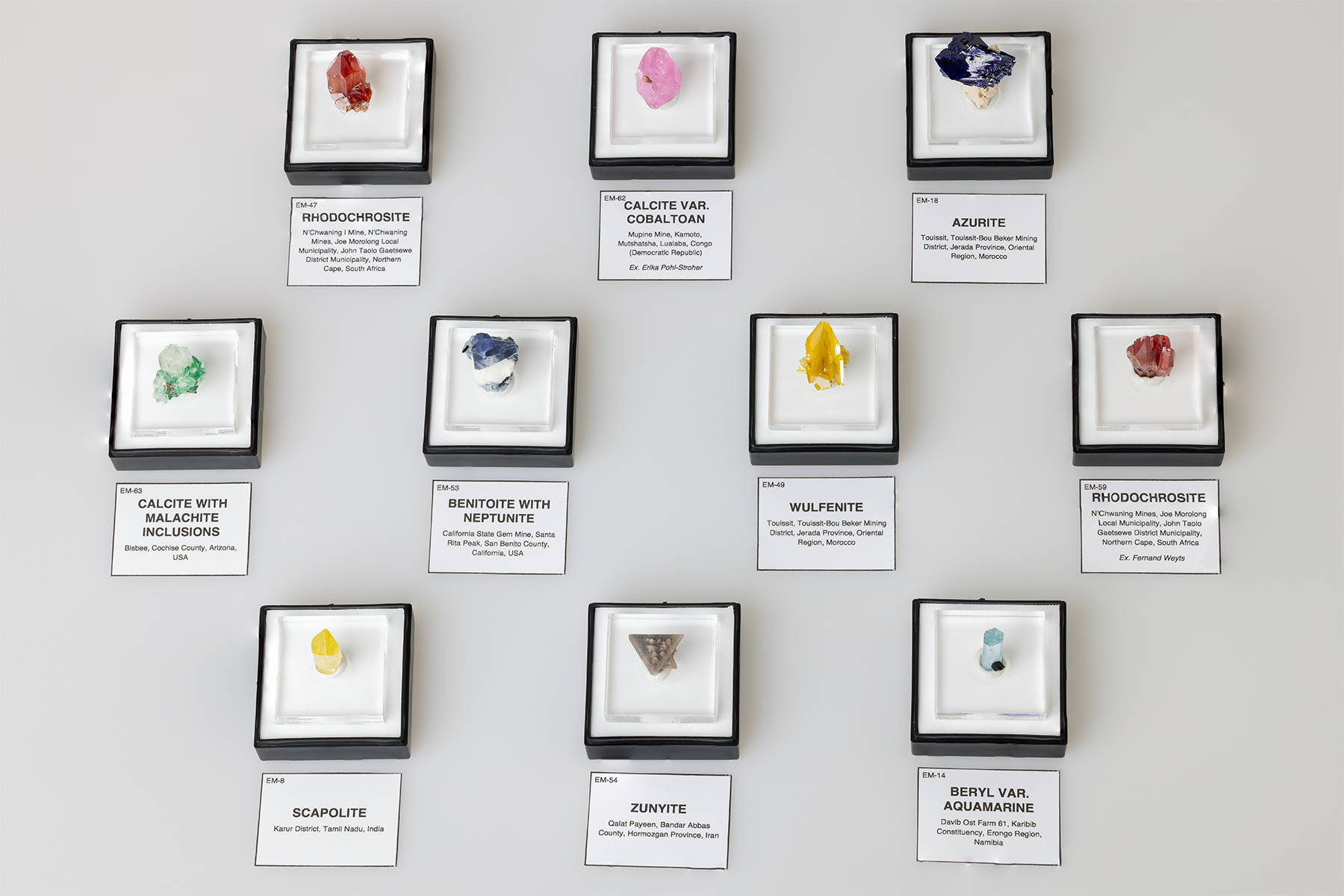
Photo: A collection of minerals all belonging to the same size category - thumbnails.
I’m not going to go into detail about mineral sizes here, as there's a separate video dedicated to that topic.
Strategy 2: Collect a Particular Species
Another very common strategy is to collect minerals of a particular species. With some species, you can still build a very diverse collection. For example, if you choose fluorites, they exhibit many different crystal habits and colors, so you can achieve nearly the same variety as if you were collecting different species.
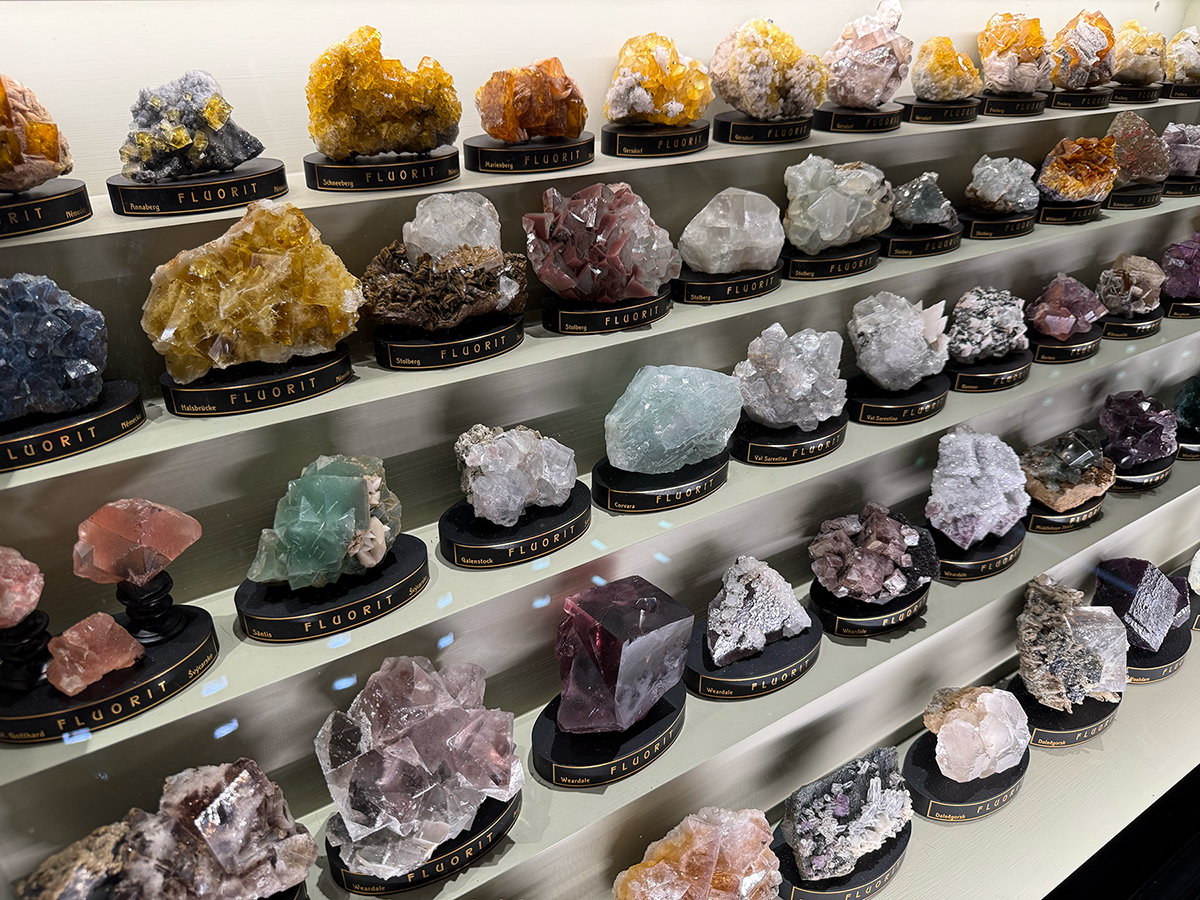
Photo: Collection of Fluorites at the National Museum in Prague.
Strategy 3: Collect Minerals From a Particular Locality
Collecting minerals based on their geographic origin is another classic approach. There are many ways to do this - you can collect minerals from a particular country, region, or even a single locality (for example a specific mine or mountain). This strategy can be especially advantageous if you live near a known locality, as it gives you easier access to specimens from that area.
Strategy 4: Collect a Particular Color
A slightly less common strategy is to collect minerals based on color. For example, you might collect only red minerals of various sizes and species to create a visually captivating collection. Or, you could take a different approach and create themed display cases - such as a red case, green case, and blue case (or any colors you prefer).
Strategy 5: Collect Fluorescence Minerals
Some minerals fluoresce under ultraviolet (UV) light, revealing vibrant colors and patterns that are invisible under normal lighting. By collecting such minerals, you can create a truly unique exhibition that stands out. There are even dedicated clubs and associations for collectors who focus on fluorescent minerals, such as the Fluorescent Mineral Society.

Photo: Fluorescent minerals offer a stunning visual experience, making their collection both fascinating and rewarding.
Strategy 6: Collect Combination Specimens
By combination specimen, I mean two or more different minerals naturally occurring together - either attached to each other or growing on the same matrix. Some combos are quite common, while others can be very rare. This type of collection is definitely the one I would admire the most, although unfortunately, I don’t have many specimens in this category myself. However, I’ve seen many stunning pieces, so I hope to add some to my collection soon.
Strategy 7: Collect Minerals Shaped Like Objects or Animals
If you're creative, the last category I chose for this list might be perfect for you. Collecting minerals that resemble real objects or animals is playful and a lot of fun!
One of the most famous examples is this snail-shaped Rhodochrosite from the Bill Larson collection.
There are also some less common options, such as collecting minerals with inclusions, minerals with specific crystal forms or habits, or minerals categorized by their type of formation.
No matter what specialization you choose, always focus on the visual appeal of each piece you acquire. To further increase the value of your collection, be sure to keep as much information as possible about each specimen - like the locality, year of extraction, any previous notable collectors, original labels, and so on. If you're looking for an easy way to organize your collection, try our online app - it’s completely free!
